 Margav Energy
Air Source Heat Pumps in Staffordshire: Are They Worth It?
Thinking about an air source heat pump in Staffordshire? How they work, which homes suit them, running costs, grants and how they pair with solar.

Solar panels generate most during the middle of the day, while many households use most electricity in the morning and evening. Battery storage helps close that gap. Here is how solar and batteries work together, and how to decide what is right for your home.
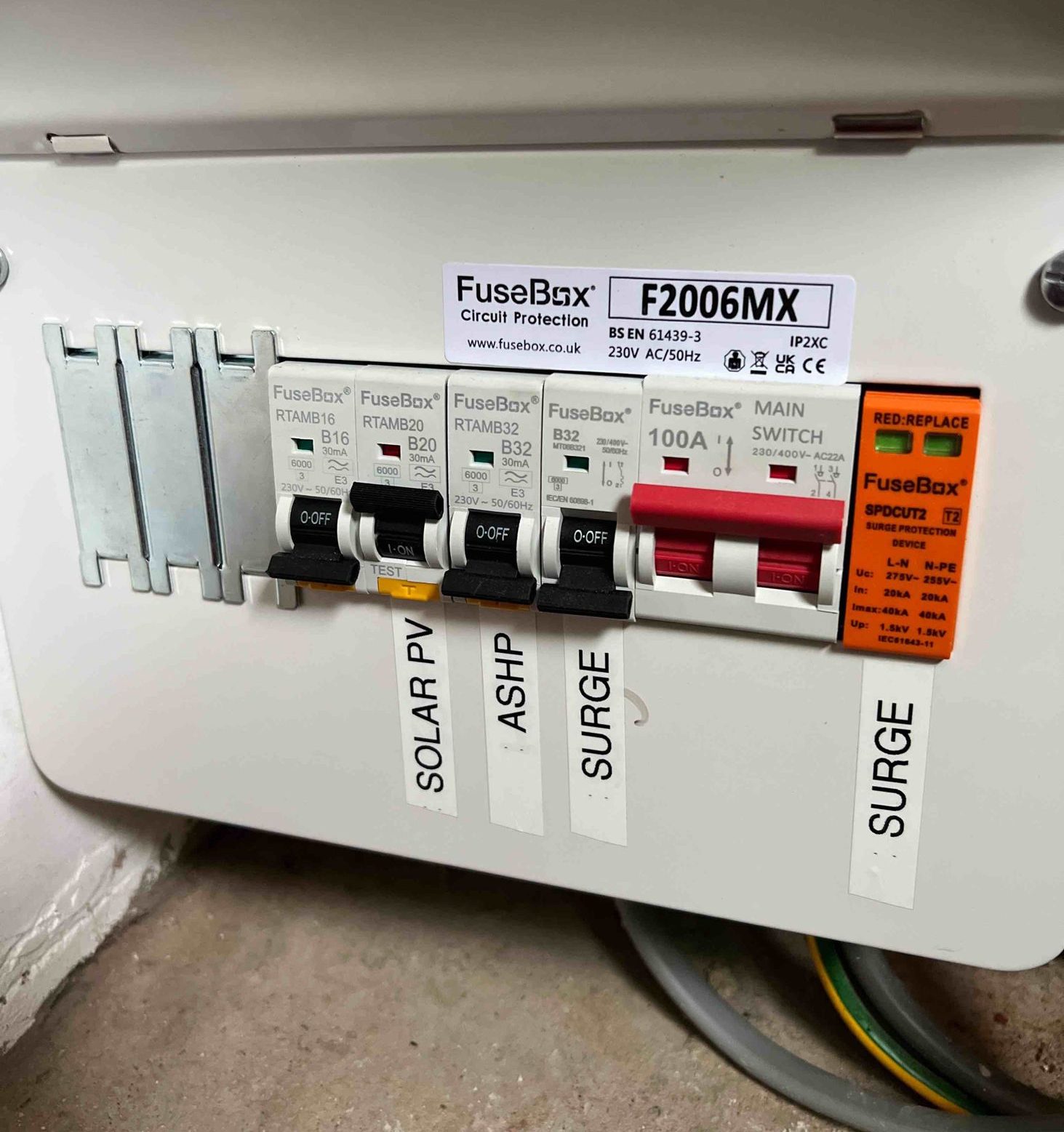
Solar PV panels convert daylight into electricity. An inverter converts that into the type of electricity your home uses. Anything you do not use straight away can be stored in a battery, if you have one, or exported to the grid.
A home battery stores surplus solar electricity during the day so you can use it in the evening. Some households also charge a battery from the grid on a cheaper off-peak tariff and use that energy at peak times. Batteries can be installed alongside new solar panels, added to an existing solar system, or installed standalone.
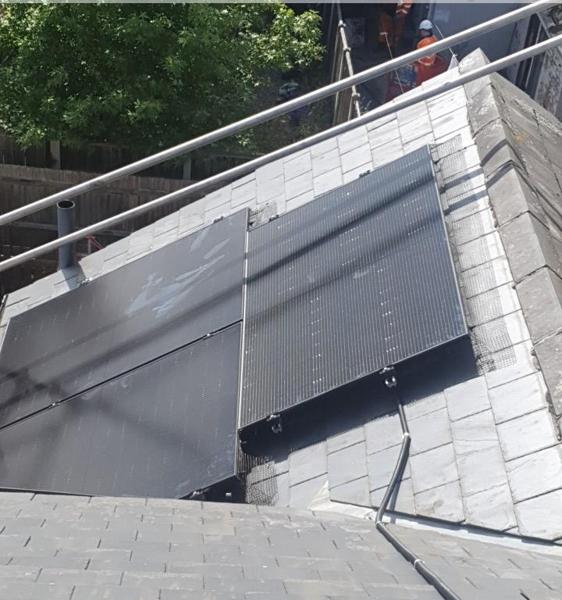
South-facing roofs are ideal, but east and west-facing roofs can also work well, especially with a battery. Shading from trees, chimneys or neighbouring buildings matters, as does the condition of the roof. If the roof needs repairs, do them before the panels go on; within Staff4dshire Group, roofing and scaffolding are handled by our own companies.
The right size of solar array and battery depends on your roof space, your electricity use and when you use it. Electric vehicles, heat pumps and home working all change the picture. A good installer will look at your bills or usage data before recommending a system.
Solar panels on most houses are permitted development, subject to conditions. Different rules can apply to listed buildings, flats and properties in conservation areas, so check before you commit.
Ask how they sized the system, what output and savings assumptions they used, what the warranties cover, who handles aftercare and how the system will be monitored. Ask how the installation meets any scheme requirements relevant to you, such as for export payments.
A battery lets you use more of the electricity your panels generate, by storing what you do not use in the day and releasing it in the evening. Whether it pays back depends on how much you use in the evening, how much your system generates, what you are paid for exported electricity and what you pay for imported electricity. Some households also charge the battery from the grid on a cheaper overnight tariff.
The best way to decide is to look at your actual electricity use. Your bills, or half-hourly data from a smart meter, show when you use power and how much. An installer can then model how a battery of a given size would change what you import and export.
Panel numbers are limited by roof space, orientation and shading. South-facing roofs give the most generation, but east and west roofs can work well, spreading generation across the morning and evening. Battery size should match your evening use and the surplus your panels produce; a battery that is never filled, or is emptied by mid-evening, is not doing its best work.
Most domestic systems need to be notified to the local distribution network operator, and larger systems may need approval before connection. You will also need an export tariff arrangement with an energy supplier to be paid for the electricity you send to the grid. Using an MCS-certified installer is normally required for export payments, and you should receive the certificates and electrical paperwork when the system is handed over.
Solar panels need very little maintenance. Keep an eye on generation using the inverter app or display, and look out for sudden drops, which can point to shading, a fault or dirt build-up. Batteries and inverters have their own warranties, so keep the paperwork safe.
Margav Energy installs solar PV, battery storage, heat pumps, heating, electrics and air conditioning across Staffordshire, with free consultation and property assessment and aftercare and support.
Often, yes. Batteries can be installed standalone or paired with solar.
South is ideal, but east and west roofs can work well, especially with a battery.
Margav Energy also lists EV charger installations, home and commercial.
Margav EnergyThinking about an air source heat pump in Staffordshire? How they work, which homes suit them, running costs, grants and how they pair with solar.
 Staff4dshire Roofing Specialists
EPDM rubber, GRP fibreglass or torch-on felt? A practical guide to choosing a flat roof for garages, extensions and dormers in Staffordshire.
Staff4dshire Roofing SpecialistsDamp around a chimney breast? How lead flashings, back gutters, pointing and valleys cause most roof leaks, and how roofers in Staffordshire fix them.