
 Staff4dshire Properties
Planning a Garden Transformation: Lessons from Lichfield
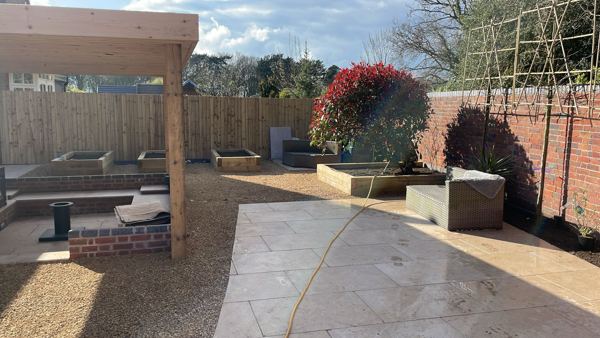
How to plan a full garden transformation, from sandstone paving and sleeper beds to pergolas and firepits, based on a real Staff4dshire project in Lichfield.
Roof work is work at height, so the access has to be right before anyone goes up. The type of scaffold depends on the job: a few tiles, a chimney rebuild and a full re-roof all need something different. Here is how to think about it.
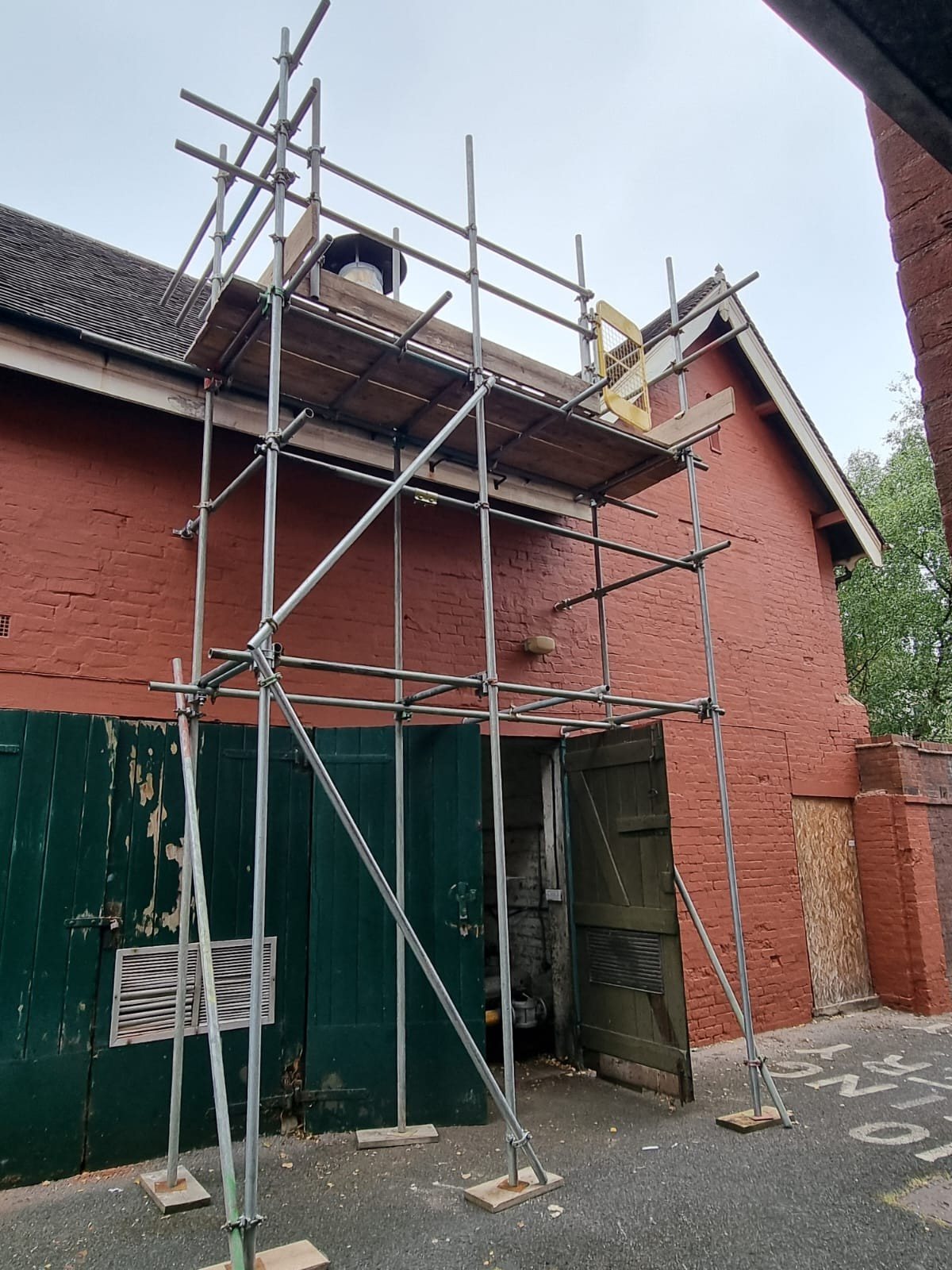
The Work at Height Regulations 2005 require work at height to be properly planned, and for equipment to be used that prevents falls wherever that is reasonably practicable. For most roof work that means a scaffold with guardrails and edge protection rather than working from ladders.
Scaffolds should be designed and erected by competent scaffolders; industry guidance such as the NASC's TG20 sets out standard configurations, and anything outside it needs a specific design.
For a re-roof, replacing the felt and battens, or long runs of ridge and verge work, a full scaffold along the elevation with a working platform at eaves level and edge protection is the usual answer. It gives roofers a safe place to work and a barrier along the roof edge.
On re-roofs a loading bay is often added so tiles and materials can be lifted onto the scaffold safely.
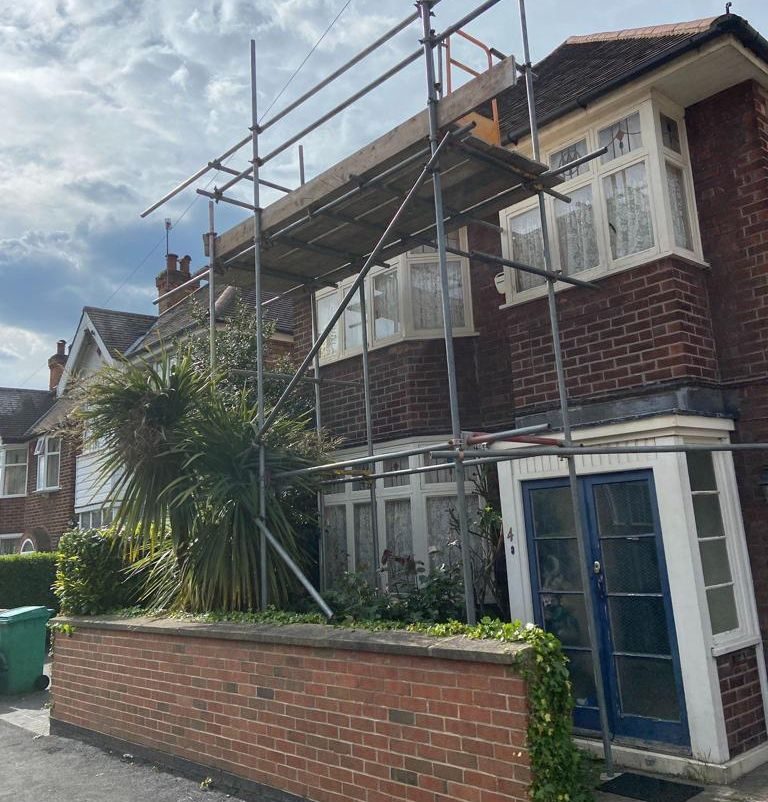
Chimney repairs, re-pointing, new flashings and pots need a scaffold that reaches the stack. That is usually a scaffold up the elevation with a platform built around the chimney itself, sometimes with a roof ladder or crawl boards for access across the slope.
See our guide to chimney leaks and lead flashing for the roofing side of chimney jobs.
Very small, short jobs, such as clearing a gutter on a single-storey extension, may be done from a mobile tower or other access equipment, if it is suitable and used correctly. A roofer should assess the job and tell you honestly what access it needs.
Scaffolds on pavements or roads need a licence from the highway authority; in most of Staffordshire that is Staffordshire County Council.
A scaffold must be inspected after it is put up and before it is first used, at intervals of no more than seven days while it is in use, and after anything that could affect its stability, such as high winds or alterations.
At handover you should receive confirmation that the scaffold is complete and safe to use. Staff4dshire Scaffolding delivers on our own transport and works alongside Staff4dshire Roofing Specialists. See Staff4dshire Scaffolding or scaffolding in Rugeley.
Ladders are for short, low-risk tasks. Most roof work needs a scaffold or other equipment that prevents falls. Your roofer should assess the job and explain what access it needs.
As long as the job needs, within the agreed hire period. It must be inspected at least every seven days while in use.
Yes. A scaffold on a pavement or road needs a licence from the highway authority. We will tell you if your job needs one.
Staff4dshire PropertiesHow to plan a full garden transformation, from sandstone paving and sleeper beds to pergolas and firepits, based on a real Staff4dshire project in Lichfield.
 Staff4dshire Roofing Specialists
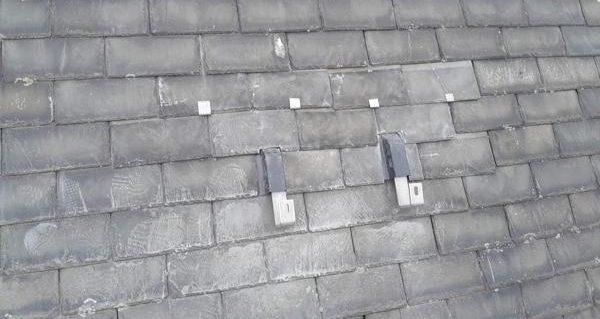
EPDM rubber, GRP fibreglass or torch-on felt? A practical guide to choosing a flat roof for garages, extensions and dormers in Staffordshire.
Staff4dshire Roofing SpecialistsDamp around a chimney breast? How lead flashings, back gutters, pointing and valleys cause most roof leaks, and how roofers in Staffordshire fix them.