
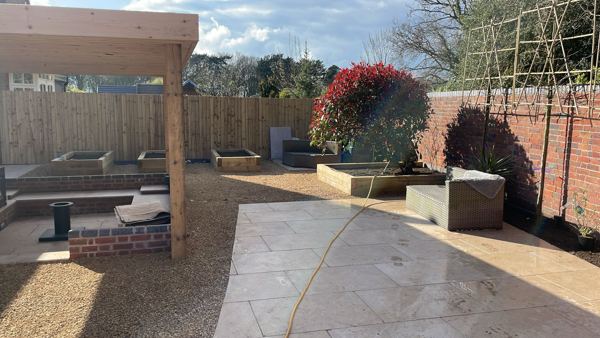
 Staff4dshire Properties
Planning a Garden Transformation: Lessons from Lichfield
How to plan a full garden transformation, from sandstone paving and sleeper beds to pergolas and firepits, based on a real Staff4dshire project in Lichfield.
Charging an electric car at home is convenient and usually the cheapest way to charge, but a home charger is a significant electrical installation. Here is what is involved, what gets checked and the questions worth asking before you book.
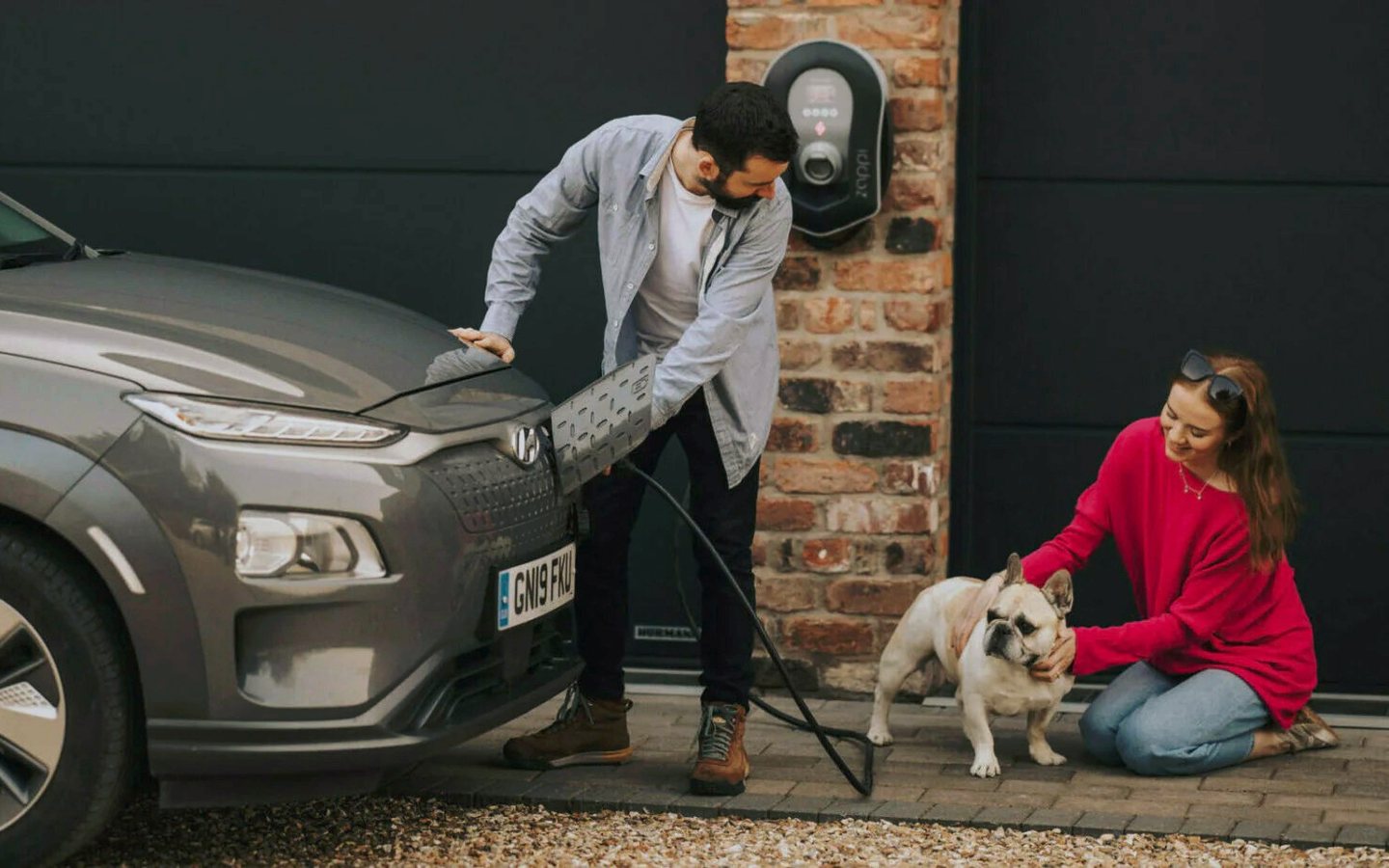
Image: myenergi zappi (myenergi.com)
A home charger has to be on your own property, so you need off-street parking such as a drive or a garage. Running a cable across a public pavement creates a trip hazard and is not a safe or practical alternative.
The charger is usually mounted on the house wall or garage close to where you park, or on a post if the parking space is further from the building.
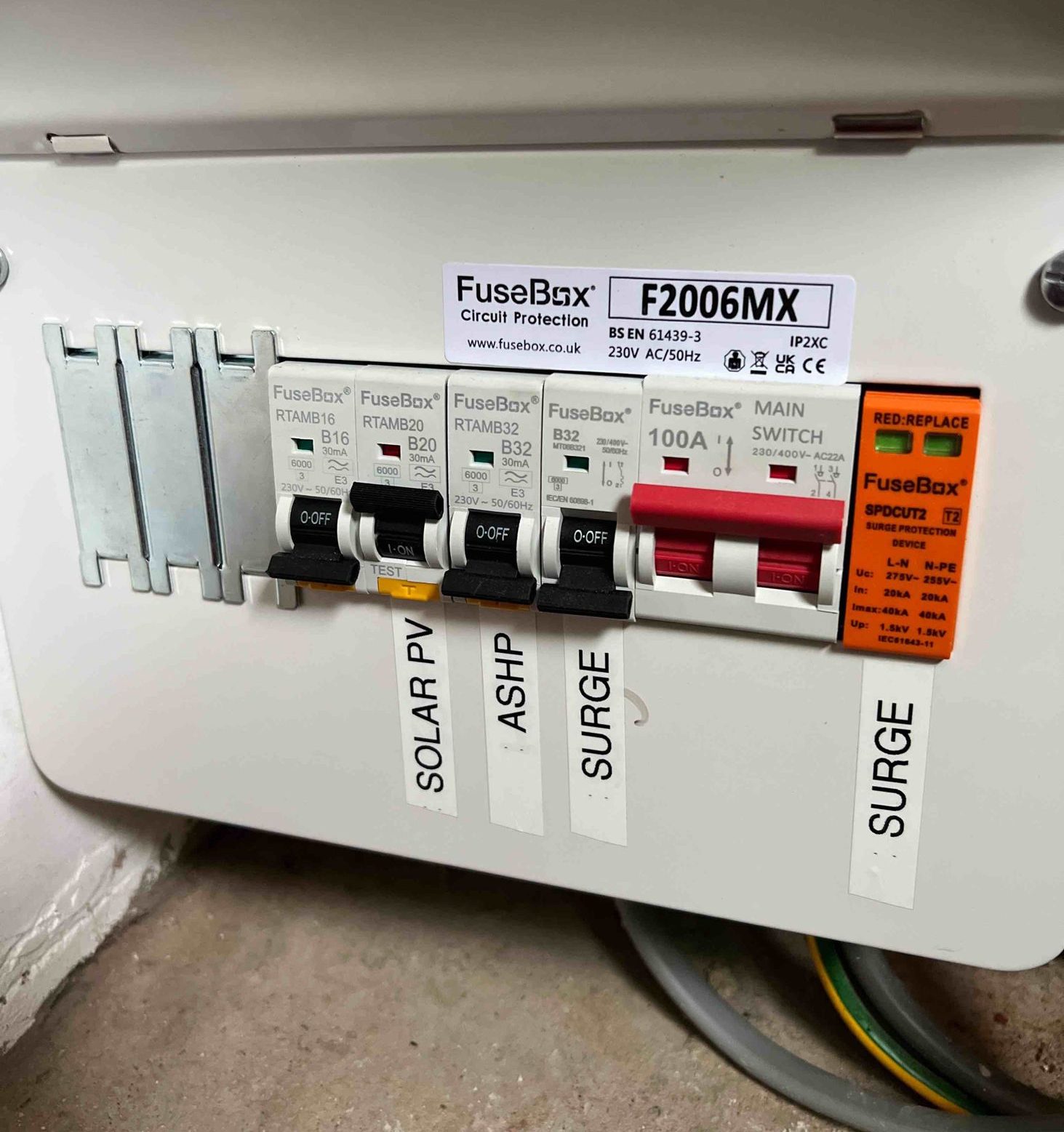
A charger needs its own dedicated circuit from the consumer unit, with the right protection. Before installing, the electrician checks the main fuse and the overall demand on the supply, because a charger draws a lot of power for hours at a time.
Earthing is the part people rarely hear about. Many homes have a type of earthing arrangement where extra protection is required for EV charging, and the installation has to meet the wiring regulations on this. Older consumer units sometimes need upgrading too. These checks are why a proper survey comes before a fixed price.
Home chargers sold in Great Britain are now required to have smart functions. In practice that means you can schedule charging for cheaper off-peak times through an app, and the charger can respond to demand on the network.
Your installer should notify the local distribution network operator about the charger, as required, and register the new circuit with building control through their competent person scheme.
Most wall-mounted chargers on houses are permitted development, so planning permission is not usually needed, but listed buildings and some locations are different. Check with your local planning authority if in doubt.
Government chargepoint grants have changed over the years and now mainly target groups such as people who live in flats or rent. The rules change, so check the current position on GOV.UK before you budget for a grant.
If you have solar PV, a solar-aware charger can top up the car using surplus generation during the day, and a home battery can help too. Margav Energy installs chargers, solar and batteries, so they can be designed to work together. See Margav Energy, EV charger installation in Rugeley or our solar and battery guide.
Charging for a business, fleet or car park is a bigger job than a home charger. Margav Energy works with Staff4dshire Groundworks & Utilities to deliver the infrastructure for major EV charging projects across the UK. Commercial EV charging infrastructure
A straightforward installation is usually completed in a day. Consumer unit upgrades or long cable runs can take longer; we confirm this after the survey.
You can with the right lead, but it is slow and puts a long, heavy load on a circuit not designed for it. A dedicated home charger is faster and designed for the job.
New home chargers in Great Britain must have smart functions, which also let you schedule charging for cheaper times.
Staff4dshire PropertiesHow to plan a full garden transformation, from sandstone paving and sleeper beds to pergolas and firepits, based on a real Staff4dshire project in Lichfield.
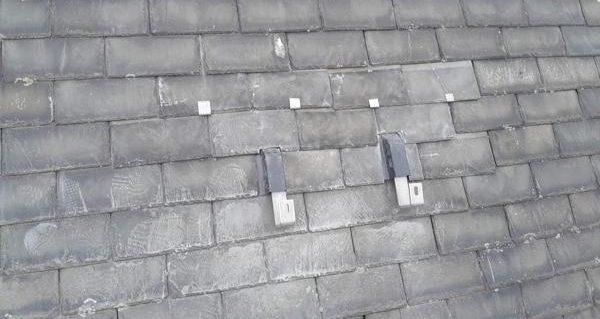 Staff4dshire Roofing Specialists
EPDM rubber, GRP fibreglass or torch-on felt? A practical guide to choosing a flat roof for garages, extensions and dormers in Staffordshire.
Staff4dshire Roofing SpecialistsDamp around a chimney breast? How lead flashings, back gutters, pointing and valleys cause most roof leaks, and how roofers in Staffordshire fix them.