
 Staff4dshire Properties
Planning a Garden Transformation: Lessons from Lichfield
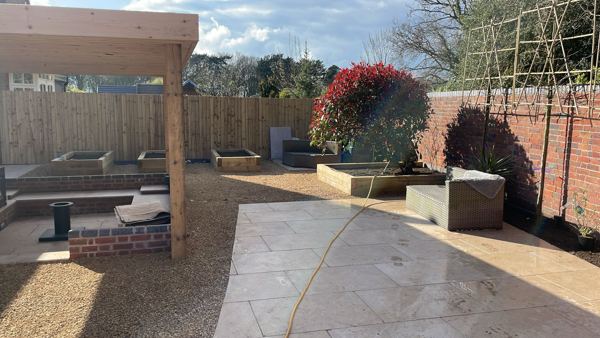
How to plan a full garden transformation, from sandstone paving and sleeper beds to pergolas and firepits, based on a real Staff4dshire project in Lichfield.
A new driveway is one of the most common jobs we do, and one of the most common questions is whether it needs permission. For most homes the answer depends on two things: how the water drains off the new surface, and whether you need a new dropped kerb to get onto it.
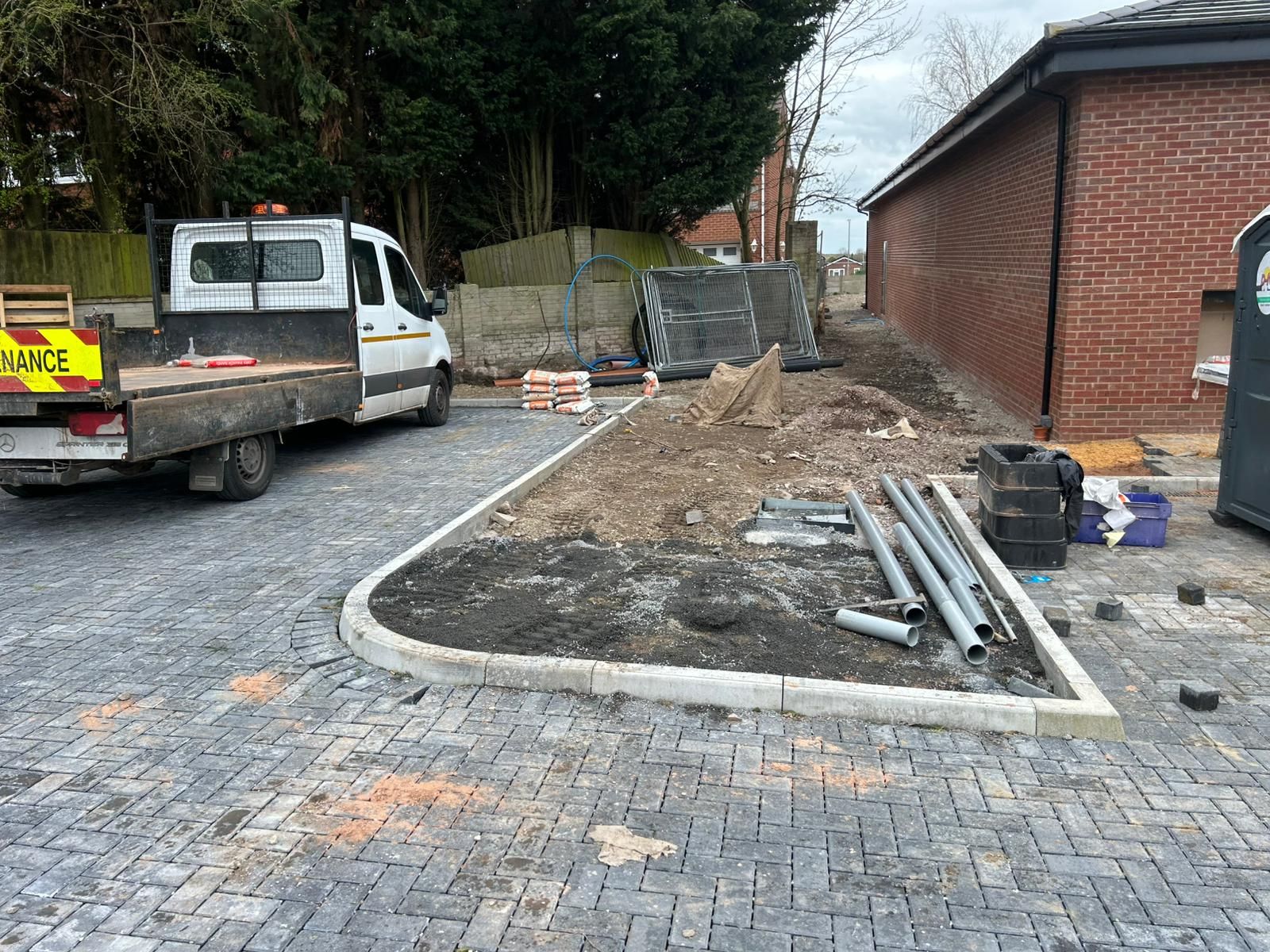
In England, paving a front garden is usually permitted development, so no planning application is needed, provided the surface is permeable or the water drains to a permeable area within your property, such as a lawn or border.
If you want to lay more than five square metres of traditional, non-permeable surface in a front garden, with water running off onto the road or into the drains, planning permission is needed. Most new driveways are designed to avoid that, using permeable block paving, a porous surface or drainage to a soakaway.
Permeable block paving lets water pass through the joints into a specially graded sub-base, where it soaks away gradually. Tarmac and standard block paving can still be used if the falls take water to a channel drain and soakaway, or to a planted area, rather than out onto the highway.
Designing the drainage properly is what keeps a driveway free of puddles and stops it adding to surface water flooding. See our guide to tarmac vs block paving for how the surfaces compare.
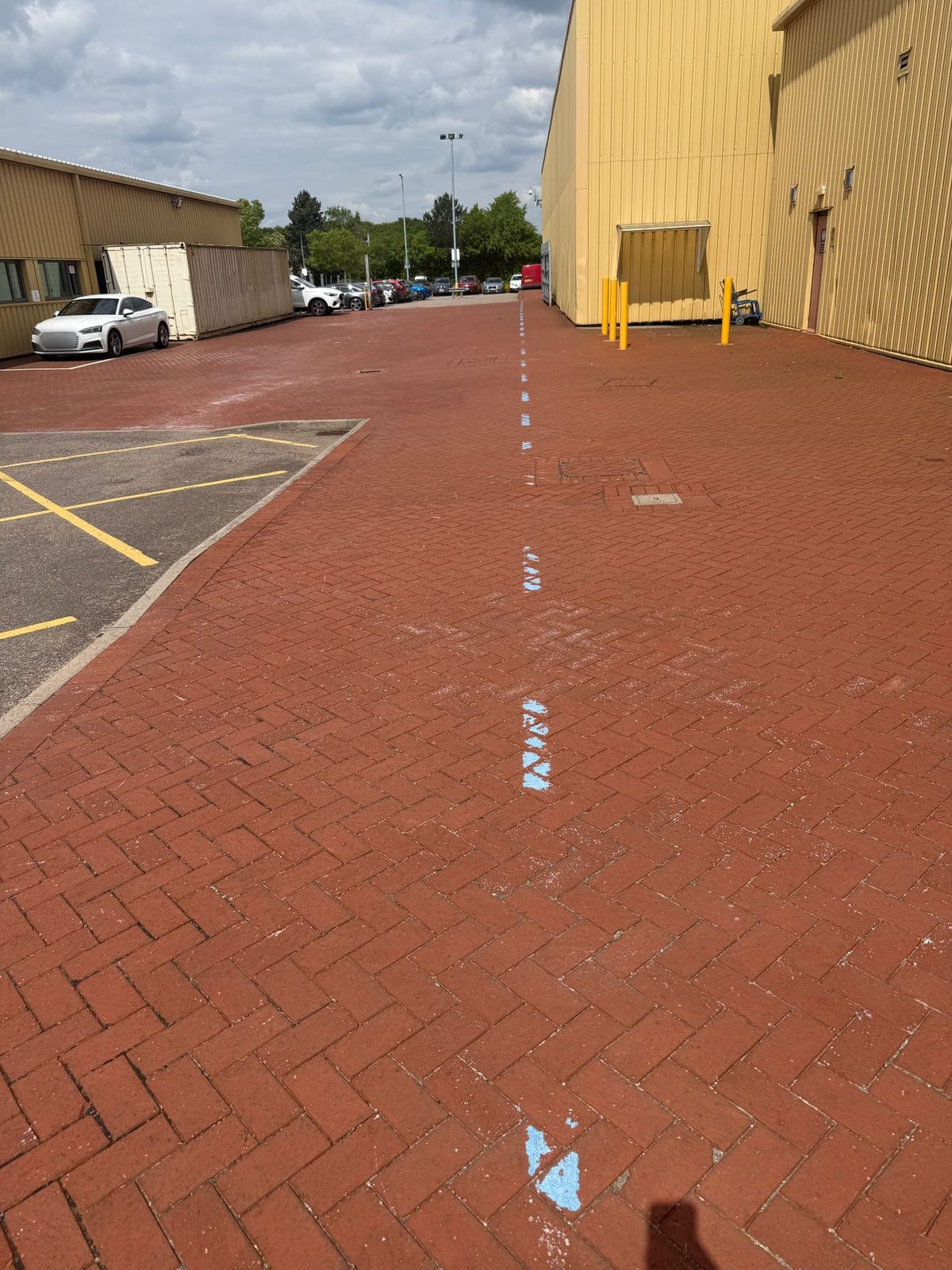
Crossing a pavement or verge to reach a new driveway needs a dropped kerb, and that needs consent from the highway authority, whatever the driveway is made of. Across most of Staffordshire, including Rugeley, Lichfield, Cannock, Stafford and Tamworth, the highway authority is Staffordshire County Council. In Walsall, Wolverhampton and Birmingham it is the city or borough council.
The highway authority sets its own rules on the size of the parking area, visibility and the position of trees, lamp posts and drains, and will usually require approved contractors for work on the public highway. Apply before you commit to a layout.
A new access onto a classified road, such as an A or B road, usually needs planning permission. Listed buildings, homes in some conservation areas and properties covered by an Article 4 direction can have extra restrictions, and new walls, fences or gates next to a highway over one metre high generally need permission too.
If you are unsure, your local planning authority can advise, and a lawful development certificate gives written confirmation.
We plan levels, drainage and edgings before anything is dug, and we will tell you if your scheme is likely to need permission or a dropped kerb application. See Staff4dshire Groundworks & Utilities, or our local pages for driveways in Rugeley and driveways in Stafford.
Usually not, if the new surface is permeable or drains to a permeable area within your property. Laying more than five square metres of non-permeable surface that drains onto the road needs permission.
In most of Staffordshire it is Staffordshire County Council as the highway authority. In the West Midlands metropolitan areas it is the city or borough council.
Loose gravel on a suitable base is generally permeable, though it needs edging to keep it in place and is not suitable for every slope.
Staff4dshire PropertiesHow to plan a full garden transformation, from sandstone paving and sleeper beds to pergolas and firepits, based on a real Staff4dshire project in Lichfield.
 Staff4dshire Roofing Specialists
EPDM rubber, GRP fibreglass or torch-on felt? A practical guide to choosing a flat roof for garages, extensions and dormers in Staffordshire.
Staff4dshire Roofing SpecialistsDamp around a chimney breast? How lead flashings, back gutters, pointing and valleys cause most roof leaks, and how roofers in Staffordshire fix them.