
 Staff4dshire Properties
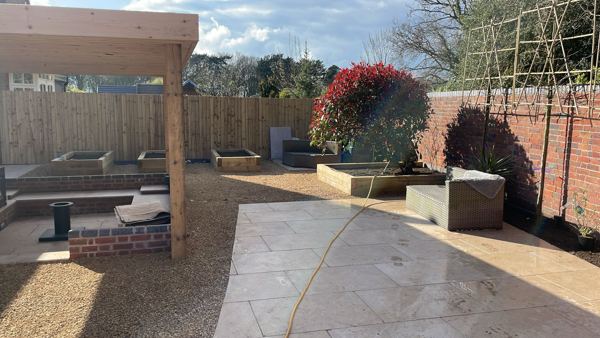
Planning a Garden Transformation: Lessons from Lichfield
How to plan a full garden transformation, from sandstone paving and sleeper beds to pergolas and firepits, based on a real Staff4dshire project in Lichfield.
Whether a heat pump or a gas boiler is cheaper to run is not a fixed answer. It depends on how efficient each system is in your home and on the price you pay for gas and electricity, both of which change. This guide explains the factors so you can judge the numbers for yourself, rather than relying on someone else's average.
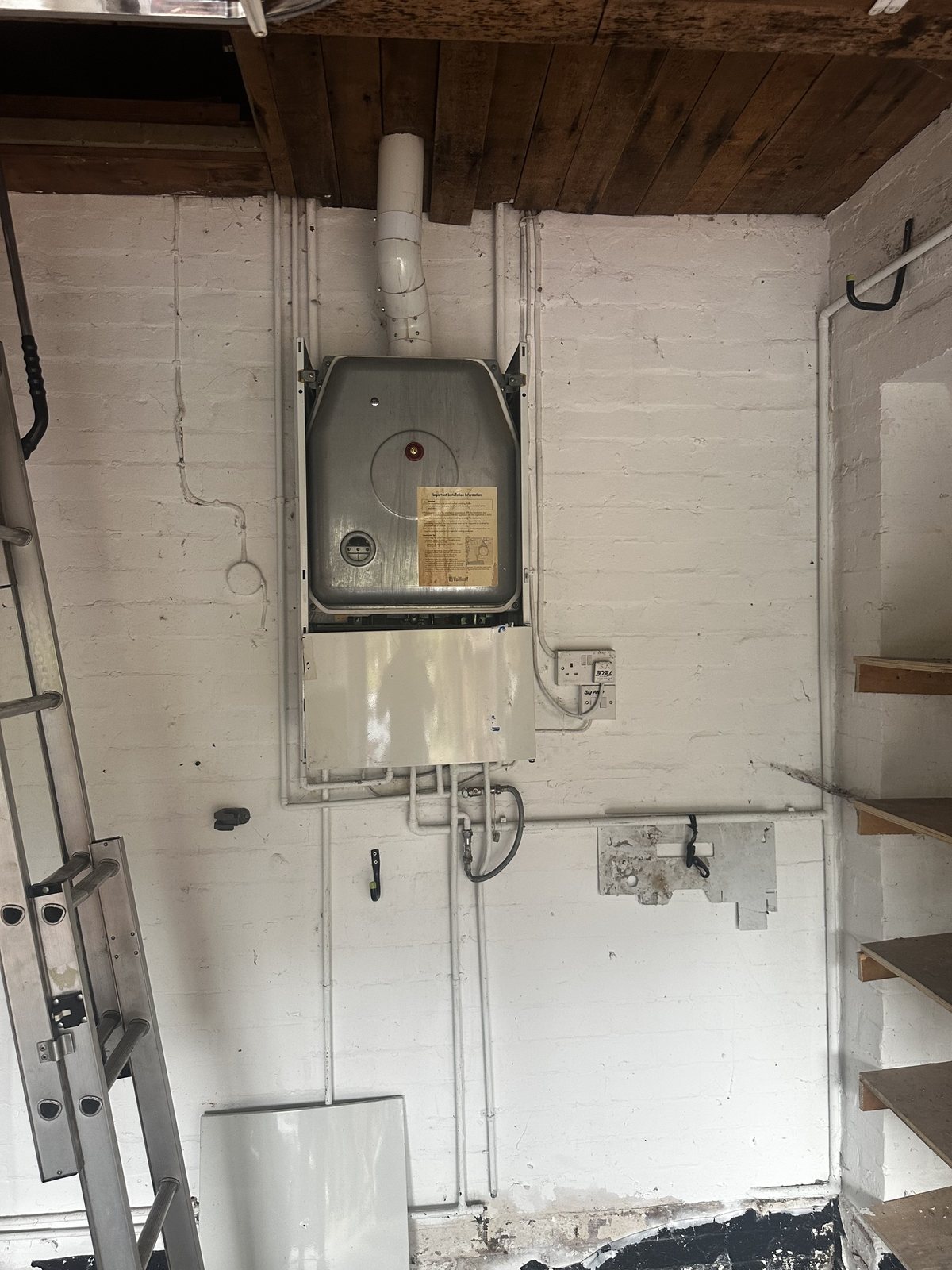
A gas boiler burns gas to heat water. Modern condensing boilers are efficient, but they always deliver slightly less heat than the energy in the gas they burn.
An air source heat pump works like a fridge in reverse, moving heat from the outside air into your heating system. It uses electricity to run, but delivers several units of heat for each unit of electricity it uses. That ratio is called the coefficient of performance (COP), and over a whole year it is described as the seasonal performance (SCOP).
Electricity usually costs more per unit than gas. So the running cost question comes down to this: is the heat pump's seasonal efficiency higher than the ratio between your electricity price and your gas price? If it is, the heat pump should cost less to run; if not, the boiler will.
That is why two neighbours can get different answers. Prices, tariffs and the heat pump's real-world efficiency all move the result, so it is worth doing the comparison with your own figures rather than a national average.
Heat pumps are most efficient at low flow temperatures. Homes with good insulation and radiators sized for lower temperatures let the heat pump run gently for longer, which keeps efficiency high. Undersized radiators force higher flow temperatures and push running costs up.
Design matters as much as the unit. A room-by-room heat loss calculation, correctly sized emitters, a suitable hot water cylinder and sensible controls are what separate a heat pump that performs from one that disappoints.
Some energy suppliers offer tariffs designed for heat pumps or with cheaper off-peak periods, which can change the comparison in the heat pump's favour. If you remove gas from the house completely, you also stop paying the gas standing charge.
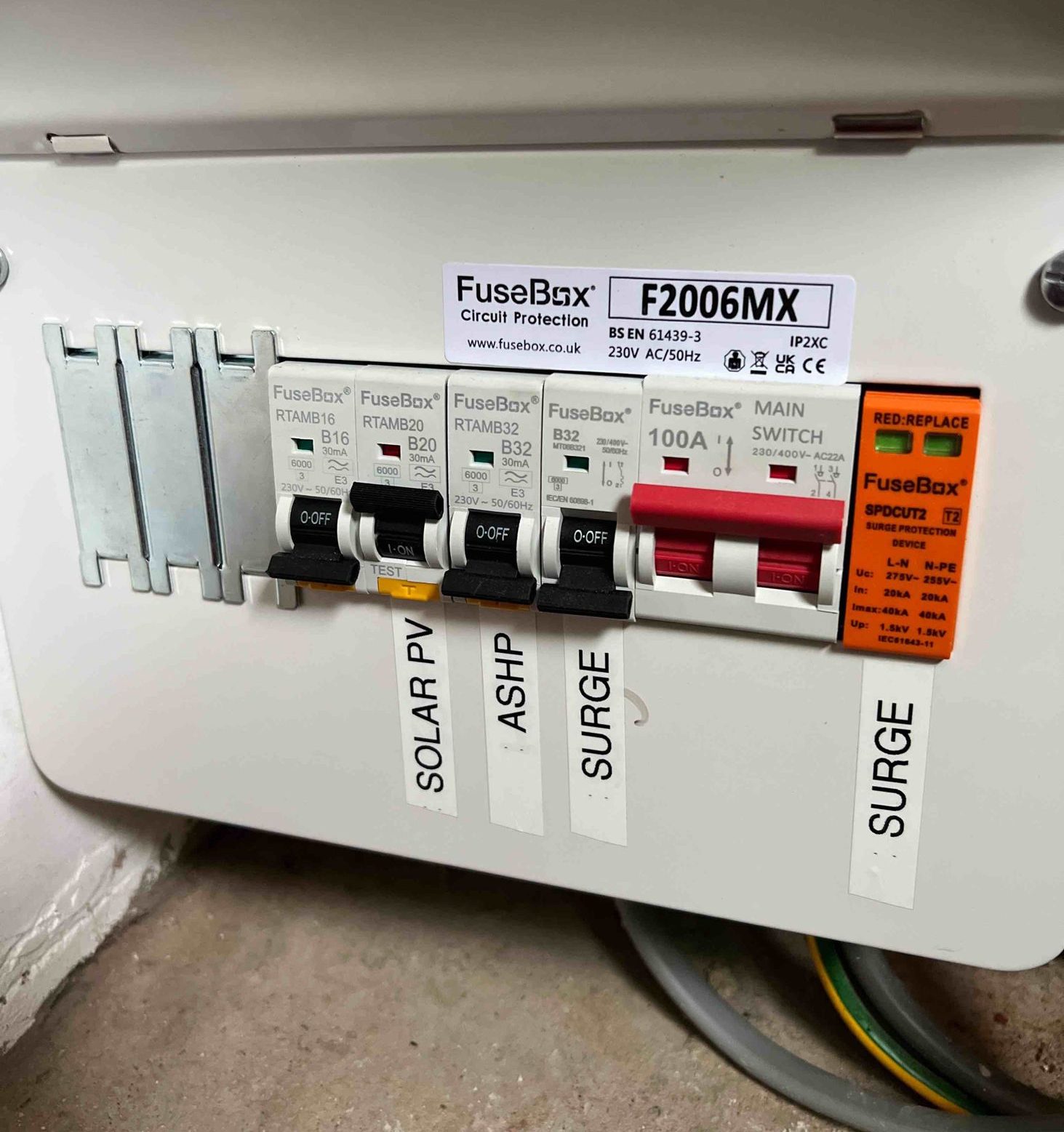
Solar PV can supply some of a heat pump's electricity during the day, and a battery can store cheaper or self-generated electricity for later. See our solar and battery guide for more.
A heat pump is not right for every home straight away. If insulation upgrades or radiator changes are not practical yet, or the budget is better spent elsewhere first, a new efficient boiler with good controls can be the sensible choice for now. The government's Boiler Upgrade Scheme has offered grants towards heat pumps for eligible homes; check the current rules on GOV.UK.
Margav Energy installs both, so we can compare the options honestly for your home. See boiler installation in Rugeley, air source heat pumps in Lichfield or Margav Energy.
For workplaces and larger sites, Margav Energy works with Staff4dshire Groundworks & Utilities to deliver the infrastructure for major EV charging projects across the UK. Commercial EV charging infrastructure
No. It depends on the heat pump's real efficiency in your home and the ratio between your electricity and gas prices. A well-designed system in a well-insulated home is far more likely to come out ahead.
Yes. Their efficiency falls as the outside temperature drops, which is why correct sizing from a heat loss calculation matters, but properly designed systems heat homes through UK winters.
Often some can stay. A heat loss survey shows which rooms need larger radiators to work at lower flow temperatures.
Staff4dshire PropertiesHow to plan a full garden transformation, from sandstone paving and sleeper beds to pergolas and firepits, based on a real Staff4dshire project in Lichfield.
 Staff4dshire Roofing Specialists
EPDM rubber, GRP fibreglass or torch-on felt? A practical guide to choosing a flat roof for garages, extensions and dormers in Staffordshire.
Staff4dshire Roofing SpecialistsDamp around a chimney breast? How lead flashings, back gutters, pointing and valleys cause most roof leaks, and how roofers in Staffordshire fix them.